Figuring Out What Branches Are For
Beyond Transactions
· 4 min read
There's a question that keeps coming up in every conversation about banking strategy. If most transactions happen digitally, what are branches for?

Beyond Transactions
There's a question that keeps coming up in every conversation about banking strategy. If most transactions happen digitally, what are branches for?
Finding Natural Groups in Transaction Data
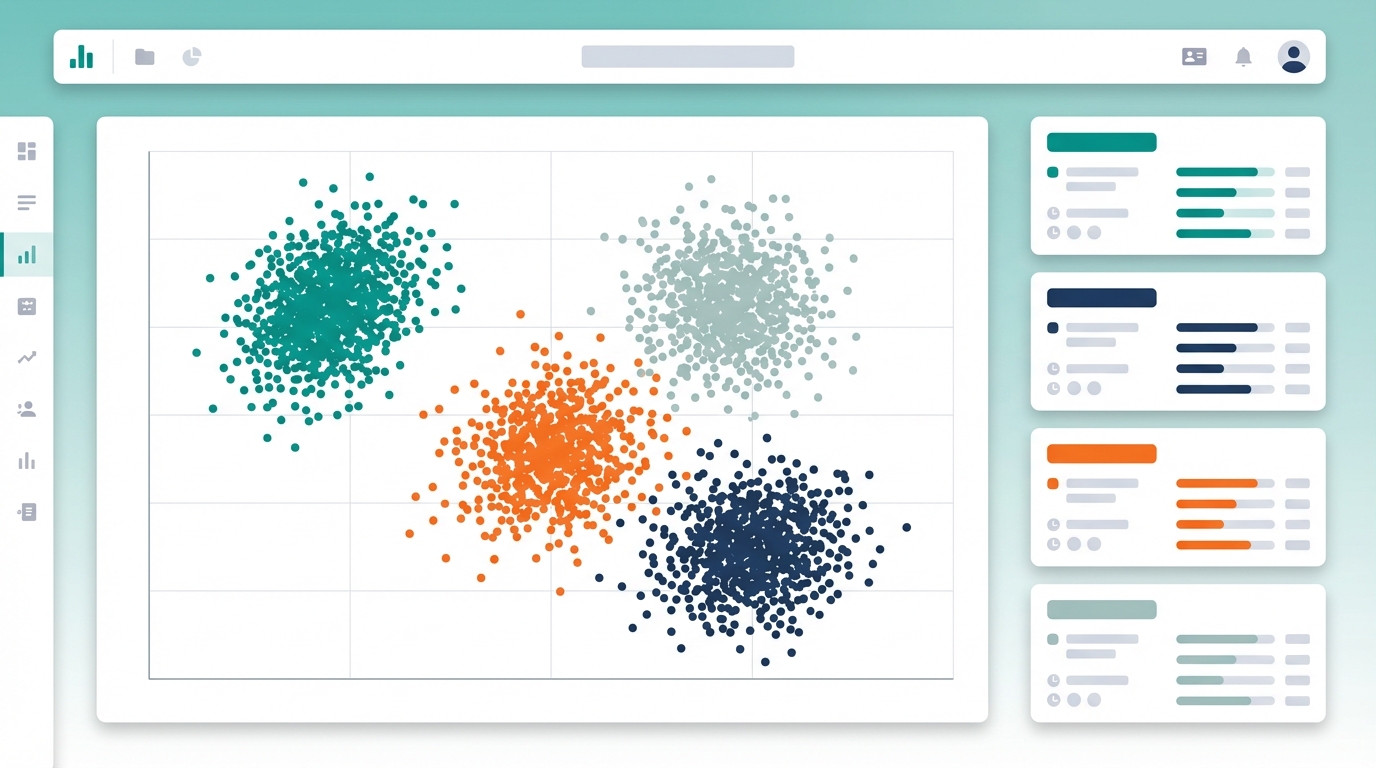
All the attention right now is on large language models. But there's a whole category of machine learning that's been quietly useful for years and doesn't require a GPU or a billion parameters. Clustering is one of those techniques. The idea is simple. Given a pile of client data, can an algorithm find natural groups without being told what to look for? I wanted to try it.
Bond Math and the Balance Sheet
The Fed raised rates again this week, the seventh increase this year. The federal funds rate is now 4.25 to 4.50 percent. That's 425 basis points in nine months. I've been paying more attention to the securities line on the balance sheet lately, and now I'm trying to understand what all these rate hikes actually do to that portfolio.

Something Just Changed
I wasn't prepared for ChatGPT. OpenAI released it on November 30th, it hit a million users in five days, and I signed up expecting the usual chatbot experience. Ask it something, get a mediocre response, close the tab. That is not what happened.
What the Collapse Means for Banks and Digital Assets
FTX is gone. Filed for bankruptcy on November 11, and within days the picture went from bad to catastrophic. Roughly $8 billion in client funds, not lost to a market crash or a hack, but moved. Transferred to Alameda Research, a trading firm also run by Sam Bankman-Fried, and spent on trades, investments, and who knows what else.
Using Matplotlib to See What the Numbers Hide
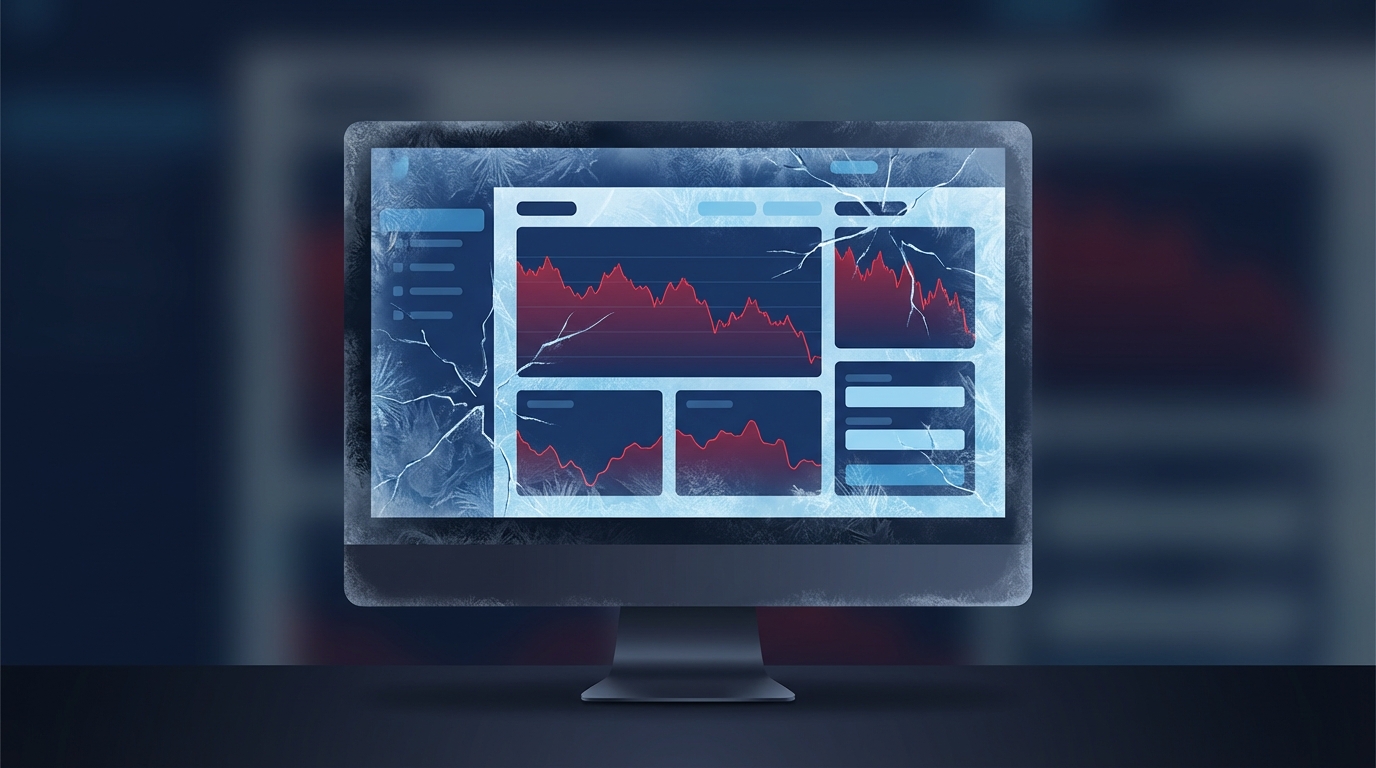
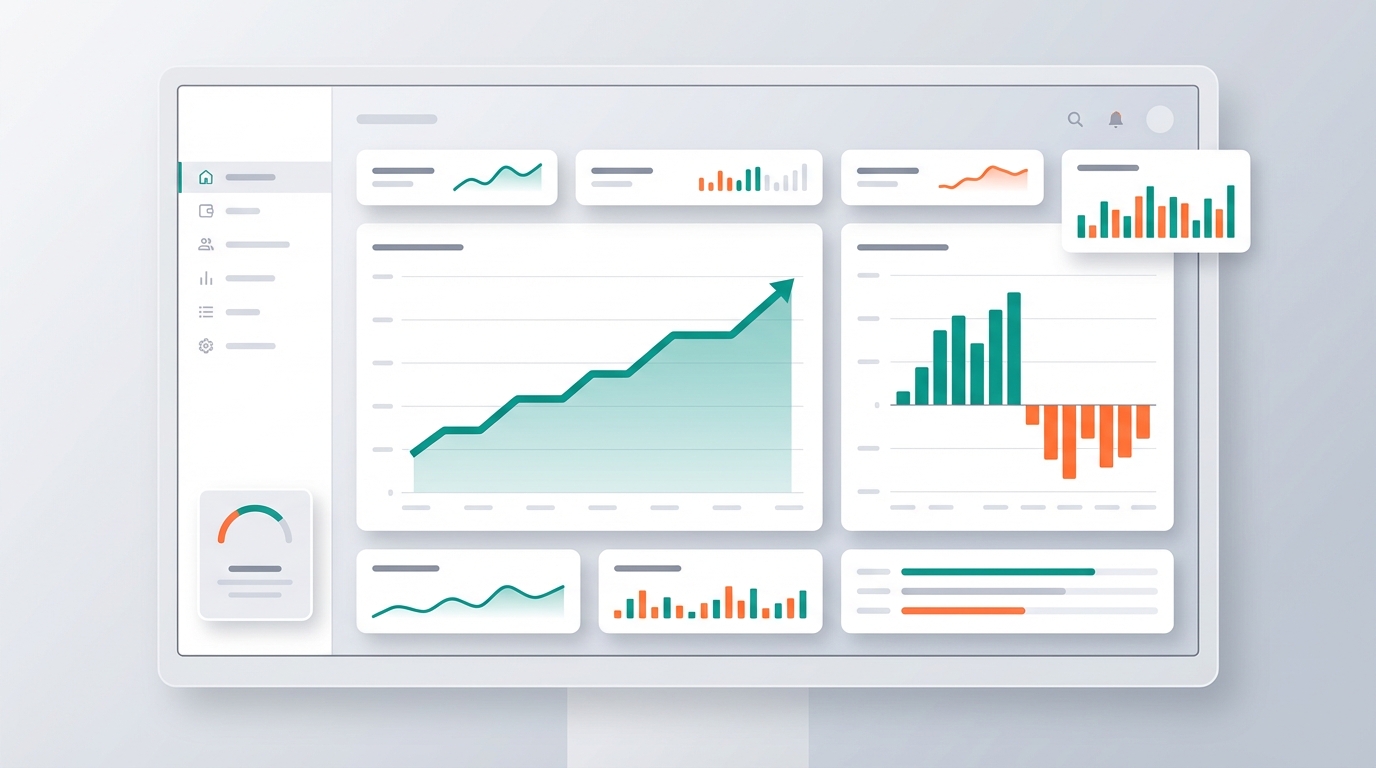
Exploring transaction data with pandas gave me a baseline. Counting things, grouping things, building a sense of what normal looks like. That was useful, but it left me staring at tables of numbers. What I wanted was to see the shape of what's happening over time.
A Reality Check
I've spent time thinking about stablecoins, the Terra collapse, and the regulatory questions surrounding both. It gave me a better sense of where the industry might be headed and why regulators are taking a careful approach. But it also highlighted something I'd been noticing. The conversations happening around banking and the conversations happening inside a bank are very different.
Many Authorities, One Hard Problem
I had what felt like a straightforward question. What are the actual rules around crypto?
Even after spending real time on this, I don't have a clean picture. Multiple agencies have authority over different pieces, the federal framework is still being developed, and the right thing to do is acknowledge that and think out loud about what I can see from where I sit.

What Digital Assets Mean for a Community Bank
Less than a year ago, I was genuinely optimistic about blockchain. The technology had real properties, real use cases, and I wanted to understand it properly before forming opinions. Then $40 billion evaporated in a week, and the picture changed.

Why Crypto Needed a Dollar
When I first dug into blockchain, I focused on the technology. Distributed ledgers, consensus, immutability. What I didn't spend enough time on was the most obvious problem with Bitcoin as actual currency. It moves too much. Accept $100 in Bitcoin today, and it might be worth $85 by Friday. I built a payments company. That kind of volatility makes a currency useless for commerce. So people built something to fix it.