Making Sense of AI Agents
From Answering to Doing
The thing that finally made AI agents click for me was a small distinction. A chatbot can tell you how to reverse a fee. An agent can go reverse it. One explains the steps. The other takes them. Once I started playing with that on my own projects, the shift stopped feeling incremental and started feeling like a different category of tool.
What an Agent Actually Is
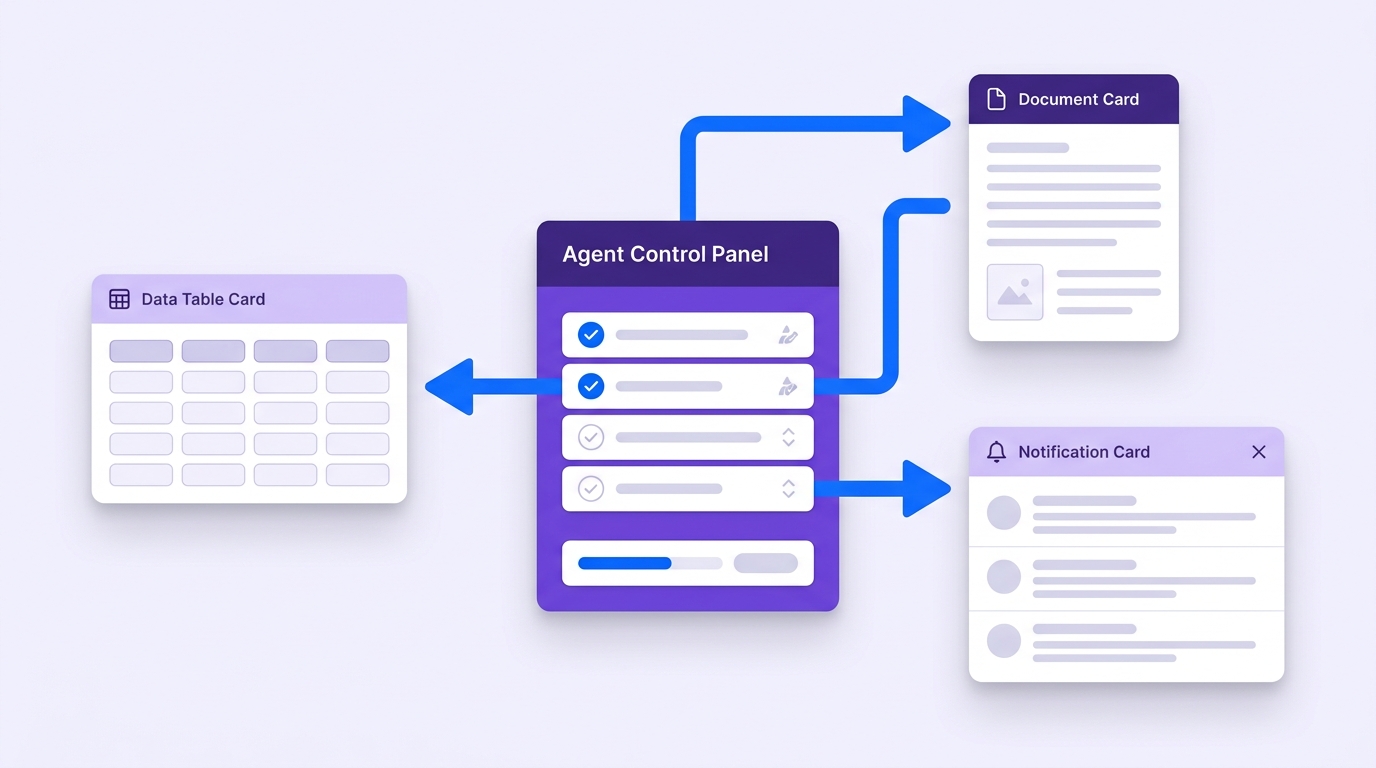
Underneath, the mechanism is less mysterious than the word "agent" suggests. A plain model generates text. An agent is a model that has been handed tools it can call, functions, APIs, a way to look something up or change something, along with the freedom to decide when to use them. You give it a goal, and it can take a step, look at the result, and take another, instead of producing one answer and stopping.
What I found from building with this is that the model starts behaving like a planner. It breaks a goal into steps, calls a tool, reads what comes back, and adjusts. That loop, act then observe then act again, is the whole idea. It is simple to describe and surprisingly capable in practice.
Why This Matters for Banking
Here is where my mind goes from a banking angle. So much of the work in a bank is not a single question with a single answer. It is coordination across systems that do not talk to each other. Pull a record from one place, check it against a policy, update something in another system, send a notice. Today a person stitches those steps together by hand, clicking through five screens to do one logical thing.
That stitching is exactly what an agent is built for. The promise is not a smarter chatbot. It is software that can carry a multi-step process across the gaps between systems, so the people doing the work spend their time on the judgment calls instead of the clicking. For an industry held together by manual coordination, that is a big deal.
Where I'd Slow Down
The same thing that makes agents exciting is what makes them serious. The moment AI can act instead of suggest, the failure mode changes. A wrong answer from a chatbot gets caught by the person reading it. A wrong action from an agent has already happened by the time anyone looks.
In a bank, actions move money, touch client accounts, and create compliance obligations. An agent that reverses a fee it should not have, or moves funds on a misread instruction, is not a typo you quietly fix later. So this is exactly the place to go slow. The capability is arriving faster than the guardrails, and the right order is guardrails first. The governance work around letting software act on its own inside a regulated institution is careful and unglamorous, and it is exactly what has to happen before any of this gets near production. A person stays on the consequential decisions until that work is done and proven.
Closing the Distance
Agents are the real shift, more than the chatbots that got everyone's attention. Going from a tool that answers to one that acts is a genuine change in what software can do, and I think it will reshape how a lot of work gets done. But the distance between can act and should be trusted to act unsupervised, especially inside a bank, is enormous. Closing that distance responsibly is the actual work ahead. I am getting familiar with the capability now, on my own time, so that when the guardrails catch up I can help think clearly about where it fits.