Blockchain Beyond Bitcoin
Applications, Challenges, and What Comes Next
I've spent the last two posts explaining what blockchain is and how it works technically. The natural question is: what can you actually do with it?
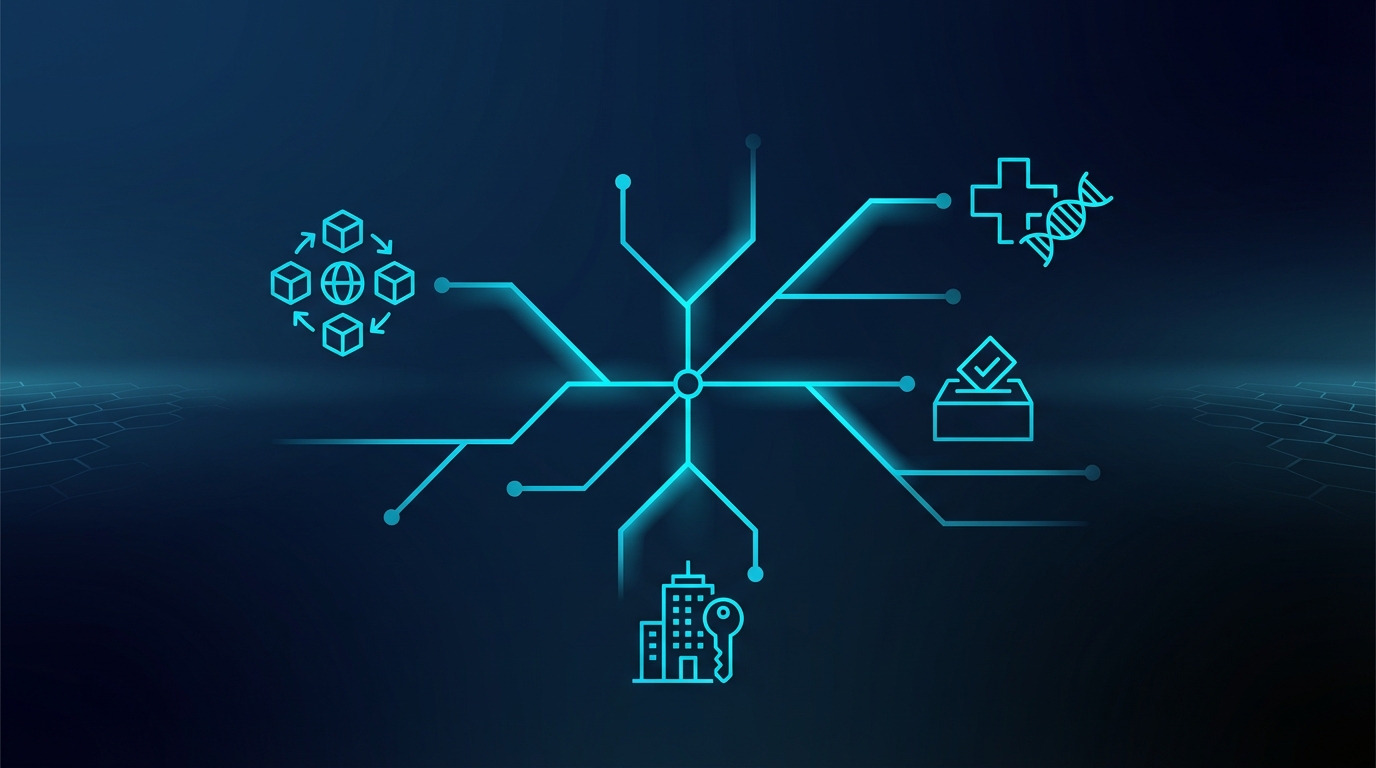
The obvious answer is cryptocurrency, but that's just the first application. The underlying technology, a transparent and tamper-proof record that doesn't require a central authority, has potential in any domain where trust is expensive.
Supply chains are a good example. Tracing a product from raw materials to store shelves currently involves a lot of paperwork and a lot of trust. A blockchain-based system could record every step, making it possible to verify claims about origin, handling, and authenticity. The transparency is built into the system rather than depending on someone's word.
Healthcare has similar problems with fragmented records. Patient data gets scattered across providers, leading to inefficiencies and mistakes. A secure, decentralized patient database could give authorized parties access to complete medical histories while keeping the data tamper-proof.
Voting systems could benefit from blockchain's auditability. A transparent, immutable record of votes would make fraud harder and verification easier. The implementation challenges are significant, but the theoretical fit is good.
Real estate transactions involve paperwork, intermediaries, and slow verification. Blockchain could streamline property records, making transfers faster and reducing opportunities for fraud.
These applications share a common pattern: situations where trust is currently provided by intermediaries, and where transparency would create value.
But blockchain isn't a panacea. The technology has real limitations that are still being worked out.
Scalability is a persistent problem. As transaction volume increases, processing times grow and costs rise. Bitcoin can handle about seven transactions per second; Visa handles thousands. Solutions like the Lightning Network for Bitcoin and sharding proposals for Ethereum are in development, but scalability remains a constraint.
Energy consumption is hard to ignore, at least for Proof of Work systems. Mining operations consume significant electricity, which draws legitimate environmental criticism. Proof of Stake reduces this dramatically, but most established blockchains still run on PoW.
Regulation is unsettled. Governments are still figuring out how to handle decentralized systems that don't fit neatly into existing frameworks. The rules around taxation, consumer protection, and legal jurisdiction are evolving.
Security, while generally strong, isn't absolute. The DAO hack on Ethereum in 2016 exploited a vulnerability in a smart contract, leading to significant losses. The blockchain itself wasn't compromised, but the incident showed that the ecosystem around it can have weak points.
Despite these challenges, development continues. Interoperability between different blockchains is improving. Decentralized finance (DeFi) is attempting to rebuild financial services without traditional intermediaries. Privacy-focused blockchains are exploring ways to keep transactions confidential while still verifiable.
Whether blockchain will transform digital infrastructure or settle into a narrower set of applications remains to be seen. The technology is real and the properties it provides are genuinely useful. The question is how many problems actually need those properties badly enough to adopt a new approach.
I'm inclined to keep learning and see where it goes.