Open Banking, Proposed and Reversed
Building When the Rules Keep Moving
Watching the open banking rule play out has been a lesson in what regulatory uncertainty does to a small bank. The rule was finalized, challenged in court almost immediately, and eventually sent back toward the drawing board. From inside a community bank, I followed it less as a policy drama and more as a planning problem, because that is what it became.
What Uncertainty Does to Planning
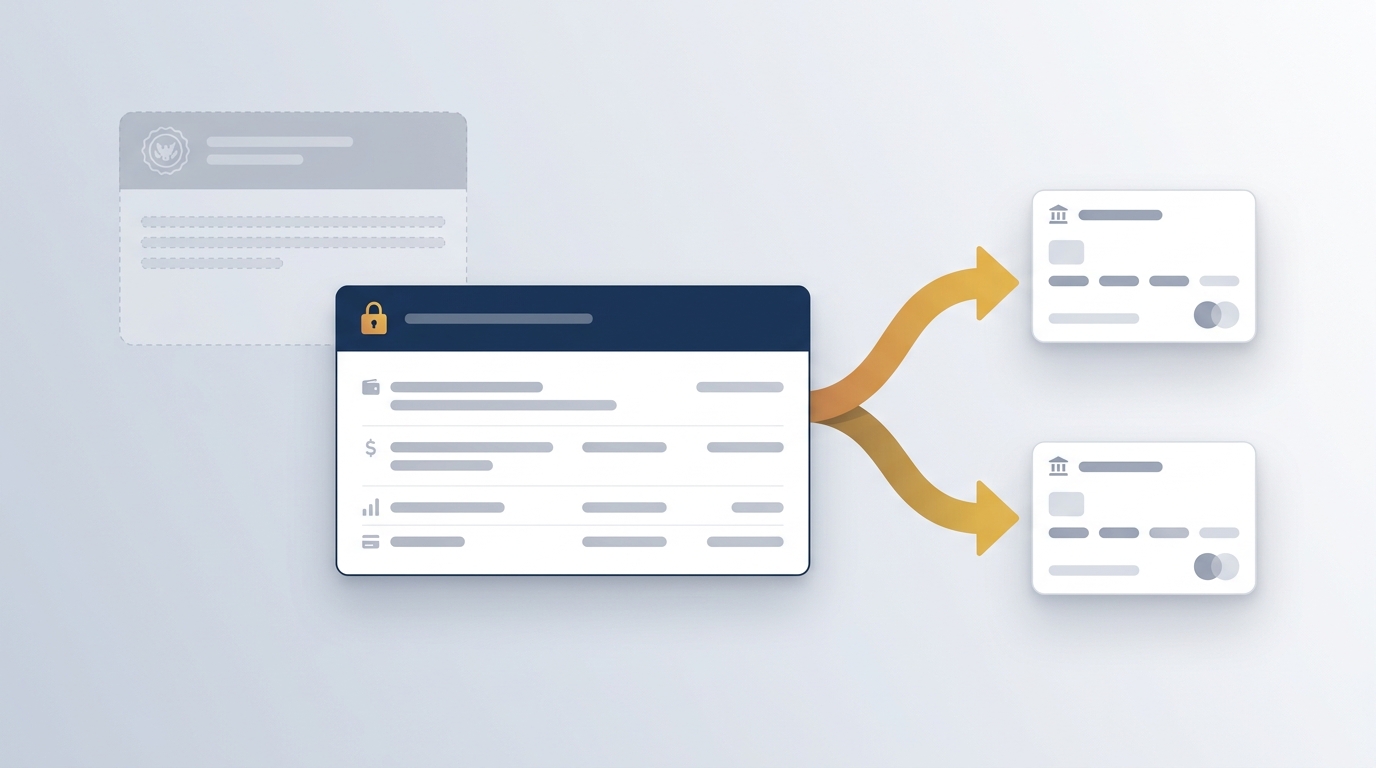
Here is the part that does not get enough attention. When a major rule is finalized, banks start preparing, because building the data capability and the compliance around something like this takes a long time. You cannot wait until the deadline and scramble, so the work begins. Then the rule lands in limbo, and you are left holding preparations for a requirement that may or may not arrive, in a form you can no longer predict.
For a large institution, that is an annoyance. For a community bank with limited people and budget, it is a real cost. Every hour spent getting ready for a moving target is an hour not spent on something certain. The uncertainty itself, separate from whatever the rule eventually says, is the expensive part, and it lands hardest on the smallest players who can least afford to hedge.
Careful Work Takes Time
The regulatory specifics are a specialist's domain, and the endpoint is genuinely hard to call. What I will say is that the back and forth is not a sign of something broken. Getting a rule this consequential right is genuinely hard. It touches data ownership, security, competition, and the safety of the system all at once. A process that can finalize a rule, take the legal challenges seriously, and step back to reconsider is doing careful work, even when the waiting is uncomfortable for those of us trying to plan around it. I would rather have that care than a rushed answer to a question this big.
Why the Idea Outlives the Rule
The rule is in limbo, but the idea underneath it is not going anywhere. The principle that a client owns their financial data and should be able to move it securely to where it is useful is bigger than any single regulation. Clients already expect it. Fintechs already build on it. The market pull exists with or without a mandate.
So I do not treat the limbo as permission to do nothing. The smart move for a bank is to build toward secure, client-permissioned data sharing because it is good for clients and good for competitiveness, not only because a rule requires it. If the rule comes back, you are ready. If it does not, you have still built something your clients want. That is the kind of bet that pays off either way.
Building Anyway
The rule may be stuck, but the question it was trying to answer, who controls financial data and how it moves safely, is not going away. I would rather work toward a good answer to that on my own terms, on a timeline I control, than sit still waiting for the regulation to tell me what to do. Regulatory certainty would make planning easier, and I hope it comes. Until it does, the direction is clear enough to keep building.